 By
By 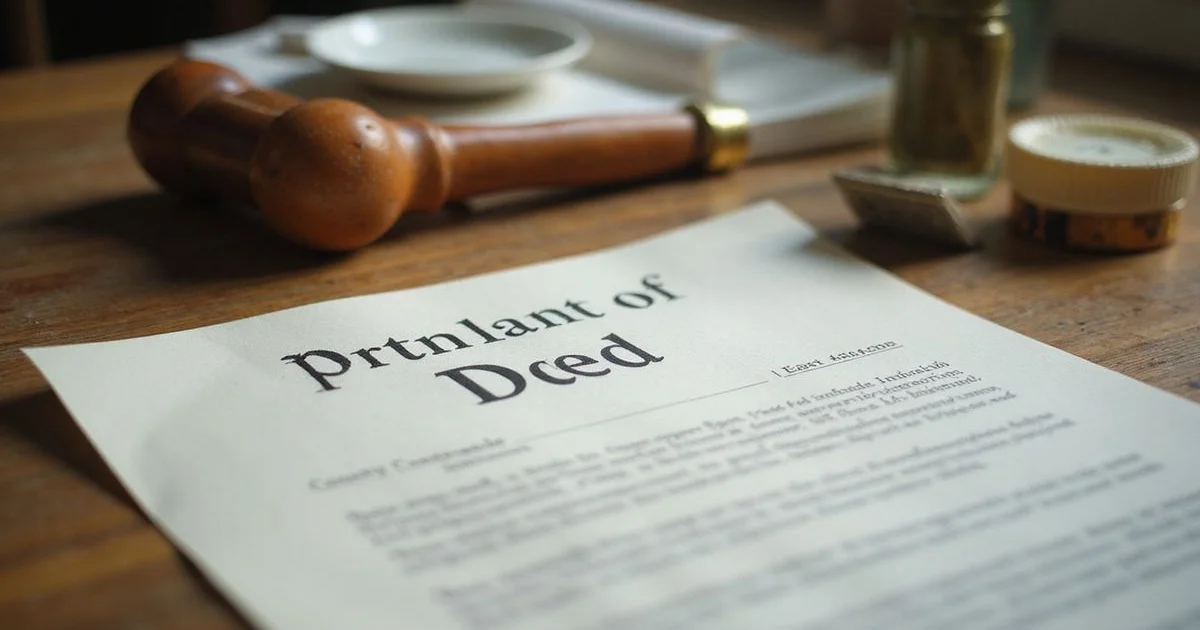
What is a transfer on death deed?
A transfer on death deed (TODD) is a Minnesota deed, authorized by Minn. Stat. 507.071, that names who gets the house when the owner dies. The owner keeps full ownership and control while alive and can revoke or change it. At death, the house passes to the named beneficiaries without probate, as long as the deed was recorded with the county before the owner died. If you’re a beneficiary, it can make selling an inherited house much faster.
This is general information, not legal advice.
How to tell if there’s a TODD
Search the property’s recorded documents with the county recorder, or ask a title company to check. A TODD that wasn’t recorded before death generally doesn’t work. Registered (Torrens) property is handled through the Registrar of Titles, which is common in Hennepin and Ramsey counties.
What beneficiaries do after the death
- Get certified death certificates.
- Prepare an affidavit. Minnesota uses an affidavit that identifies the beneficiary and the deceased owner, recorded with the death certificate. A title company or attorney usually prepares it.
- Record it with the county recorder or registrar of titles in the county where the house is.
- Check for claims. Including any Medical Assistance estate recovery claim.
- Sell or keep. Once title is in the beneficiaries’ names, they can sell like any other owners.

TODD vs. probate vs. joint tenancy
| Transfer on death deed | Probate | Joint tenancy | |
|---|---|---|---|
| Court involvement | None for the house | Registrar or court | None |
| Who signs to sell | Named beneficiaries | Personal representative | Surviving owner |
| What’s recorded after death | Affidavit plus death certificate | Letters and PR deed | Affidavit of survivorship plus death certificate |
| Speed | Fast | Weeks to months | Fast |
| Medicaid claim risk | Can still apply | Can apply | Depends |
The Medicaid question
A TODD avoids probate, but it doesn’t automatically protect the house from Minnesota DHS estate recovery for certain Medical Assistance benefits. Rules have changed over the years. Before selling, confirm whether DHS has or may file a claim, and get the amount in writing. See Medicaid estate recovery.
Multiple beneficiaries
If the TODD names several beneficiaries, they all own the house together after the death, and all of them generally need to sign to sell it. If they disagree, see when siblings disagree.
Common TODD mistakes that slow a sale
Transfer on death deeds work well when they’re done right. These are the problems that come up when they aren’t:
- Never recorded. A signed TODD sitting in a drawer generally doesn’t transfer anything. It has to be recorded before death.
- Wrong legal description. A typo in the lot or block can require a corrective step before a title company will insure the sale.
- A beneficiary died first. If the deed didn’t name an alternate, that share may pass another way, sometimes through probate.
- A newer will says something different. In Minnesota, a recorded TODD generally controls the property it covers, but conflicts can still cause family disputes.
- Torrens property. Registered property goes through the Registrar of Titles, with its own steps.
- Missing Medical Assistance review. Heirs sometimes assume a TODD ends every question. Estate recovery rules can still apply.
| Situation | What usually fixes it |
|---|---|
| TODD recorded, all beneficiaries alive | Affidavit plus death certificate recorded |
| Beneficiary predeceased, alternate named | Affidavit showing the alternate |
| Beneficiary predeceased, no alternate | Attorney review; may need probate for that share |
| Legal description error | Corrective document or court step |
Selling a TODD house with us
Once the affidavit is recorded, the beneficiaries can sign a purchase agreement. A cash sale can close in 7 to 14 days, with the cleanout handled and remote closing available. If listing nets more, Ryan will list it. Either way, we’ll work with the title company to make sure the affidavit and any estate claims are handled before closing.