 By
By 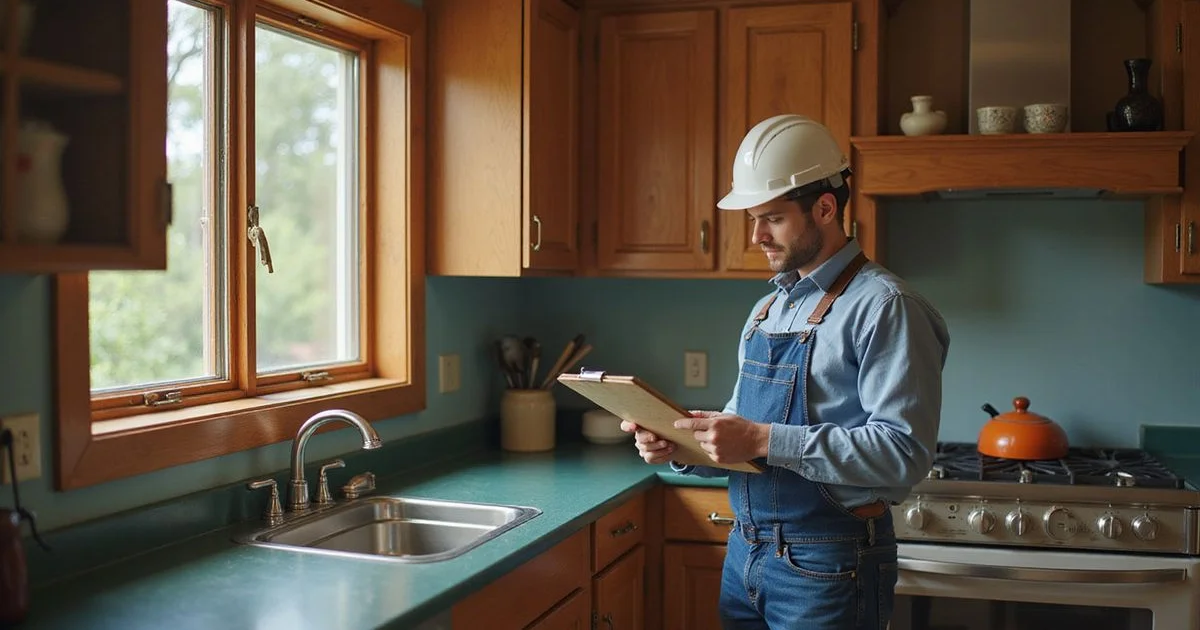
What’s the formula behind our offer?
Our cash offer is After Repair Value (ARV) minus Jordan’s repair estimate, minus holding and resale costs, minus our margin. That’s it. Most cash buyers won’t show you this, and wholesalers can’t, because it would expose the assignment fee they plan to add on top. We publish it because a seller who can check the math can trust the number.
Here’s a full worked example, then each input explained.
The worked example
A 1952 story-and-a-half in south Minneapolis. Three bedrooms, one bath, original kitchen, a roof near the end of its life, a 60-amp panel and some water in the basement every spring.
| Line | Amount |
|---|---|
| After Repair Value (ARV) | $385,000 |
| minus Jordan’s repair estimate | -$55,000 |
| minus holding, taxes and resale costs | -$28,000 |
| minus our margin | -$35,000 |
| Cash offer | $267,000 |
On top of that: no commissions, we pay the closing costs and deed tax, and up to $1,200 in moving assistance.
Yes, $267,000 is well below $385,000. That’s the trade-off of a cash sale, and we’ll say it out loud. The question is whether the other paths would net you more after their costs. Sometimes they do. Read when you should not sell to us.
Input 1: After Repair Value
ARV is what the house would sell for fully updated. Ryan sets it from recent sales of similar houses near yours that were in finished condition, adjusted for square feet, bedrooms and baths, lot, garage and location. Twin Cities values change block to block, so the comparables matter. He’ll show you the sales he used, and if you know of a better comparable, bring it.
A common mistake is comparing your house to the finished flip down the street and assuming your house is worth that as it stands. That’s the ARV, not today’s value.
Input 2: Jordan’s repair estimate
This is where most “we buy houses” offers are guesses. Ours isn’t, because Jordan knows construction and prices the work line by line.
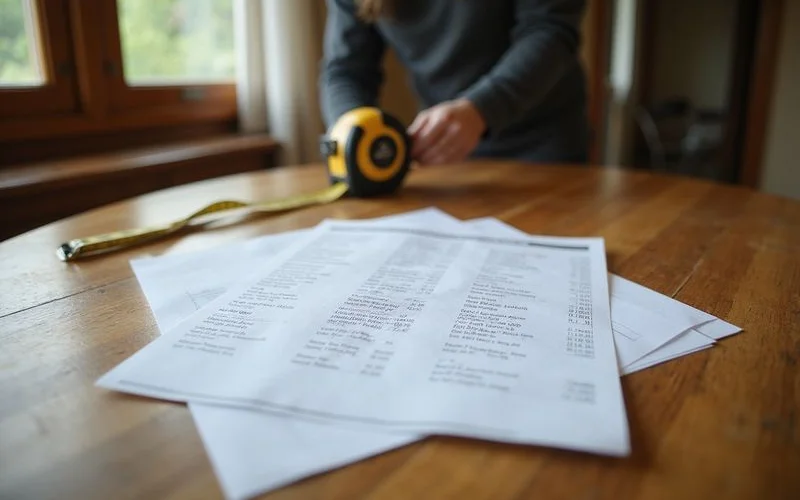
For the example house:
| Repair | Estimate |
|---|---|
| Roof tear-off and replacement | $14,000 |
| Electrical panel upgrade and wiring fixes | $7,500 |
| Basement water: drain tile and sump | $9,000 |
| Kitchen update | $13,500 |
| Bath update | $6,000 |
| Flooring, paint, trim | $5,000 |
| Total | $55,000 |
If the city requires Truth in Sale of Housing repairs in Minneapolis or point-of-sale repairs in St. Paul, those are included. Because repairs are priced before the offer, we don’t come back after the walkthrough with a lower number.
Input 3: Holding and resale costs
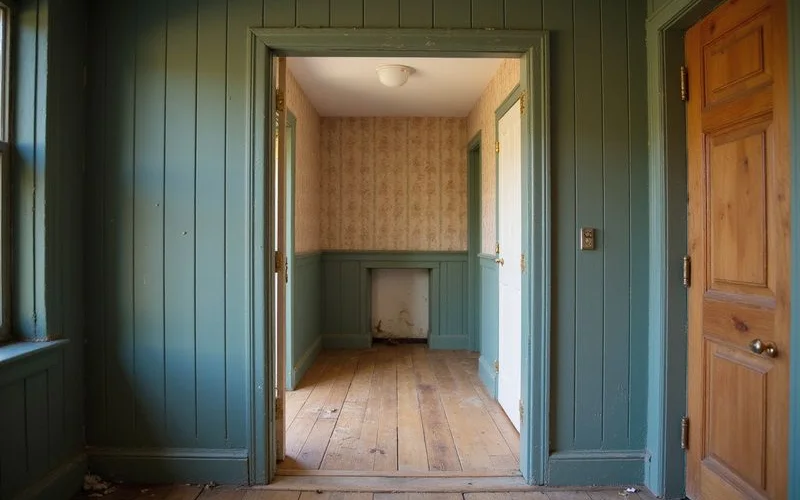
While we own the house and fix it, we pay property taxes, insurance, utilities and financing costs. When we resell, we pay Minnesota deed tax, title fees and selling costs. In the example, that’s $28,000. It’s real money, and it’s why a fast cash sale can’t match a retail price.
Input 4: Our margin
$35,000 in the example. That’s what keeps a three-brother business open and covers the risk that repairs run over or the market dips while we own the house. We tell you the number because hiding it is what makes sellers distrust cash buyers.
Why this formula protects you
- You can check each line. If a number looks off, ask. If you have a lower contractor bid, show us.
- No surprises later. Repairs are priced before the offer, not after a walkthrough “discovery.”
- You can compare paths. The ARV and repair list also tell you what listing after repairs might net.
Try it on your own house
Our free cash offer estimator uses the same formula. Put in your best guess at ARV, the condition and the square footage, and it shows an estimated range. It’s an estimate, not an offer. A real offer needs a walkthrough.
Then compare it to the cash vs. list net sheet. If listing wins, Ryan will tell you.