 By
By 
Why would a cash buyer tell you not to sell to them?
Because most people in this business have one tool, and we have four. A cash offer is the right answer for some houses and some deadlines. For a lot of others, one of our other three paths puts more money in your pocket. This guide shows the cases where that’s true, with numbers, so you can spot yourself in one of them.
The short version: if you have time, a house in decent shape, and no title or tenant problem, you should probably list. If the problem is temporary and you can qualify, you should probably refinance. If you have a low-rate mortgage and little equity, a creative structure may beat cash.

Case 1: A house in decent shape and 60 days to spare
Linda owns a 1956 rambler in Richfield. New roof in 2019, updated furnace, original kitchen that’s dated but clean. She’s moving to be near her daughter in the spring and has no deadline pressure.
- Our cash offer: around $232,000, because we’d still update the kitchen, bath and flooring.
- Listing with Ryan: a realistic sale price around $300,000. After a standard commission, Minnesota deed tax, title and closing fees, $5,000 of light prep and three months of holding costs, her net is roughly $263,000.
Listing wins by about $30,000. Ryan would tell Linda to list the house with him, and he’d put both numbers in writing so she can see it herself.
Signs this is you: the house would pass a buyer’s inspection with minor items, you can wait 30 to 60 days to get under contract, and you can keep it show-ready or it’s already empty.
The honest rule
When a house needs little work and you have time, retail buyers will pay more than any investor. That’s true for us and for every cash buyer who sends you a postcard.
Case 2: A temporary problem you can fix
Marcus fell three payments behind after a layoff last winter. He started a new job in June, his income is back, and he has about 35% equity in a Coon Rapids split-level. He’s scared, and a cash buyer’s letter made selling sound like the only way out.
It isn’t. With steady income and real equity, his better options are a reinstatement, a loan modification with his servicer, or a refinance to keep the house once his payment history recovers. Selling at a discount to fix a six-month problem would cost him the equity he spent years building. We make nothing on that path, and Ryan would still recommend it.
Signs this is you: the cause of the hardship is over, your income is steady again, and you have meaningful equity. Call the Minnesota Homeownership Center for a free HUD-approved counselor, too.
Case 3: Low rate, little equity, and a move you can’t avoid
Priya bought a Maple Grove townhome in 2021 with a 3% mortgage. She’s relocating for work. The home would sell for about what she owes, so after commission and closing costs she’d have to bring money to closing to list it. A cash sale would be even worse.
A creative structure may fit better. In a subject-to sale, the loan stays in her name while the buyer makes the payments. She walks away without writing a check at closing. The trade-off is real risk, including the lender’s due-on-sale clause, and it needs attorney review. But on the numbers, it can beat both listing and cash. See creative financing and what a subject-to sale is.
Signs this is you: a below-market interest rate, a balance close to the home’s value, and a reason you can’t stay.
When a cash sale really is the right answer
We’d be doing you a disservice if we pretended cash never wins. It usually does when:
| Situation | Why cash tends to win |
|---|---|
| A sheriff’s sale or redemption deadline | Closes in 7 to 14 days; no buyer financing to fall through |
| Major repairs (foundation, roof, fire, 60-amp panel) | Financed buyers can’t close until it’s fixed |
| House full of belongings or a hoarder situation | No cleanout, no staging |
| Liens, probate gaps or title problems | We do curative title work instead of walking away |
| Tenants who won’t pay or leave | We buy with tenants in place |
| You need certainty on a date | No appraisal, no inspection contingency |
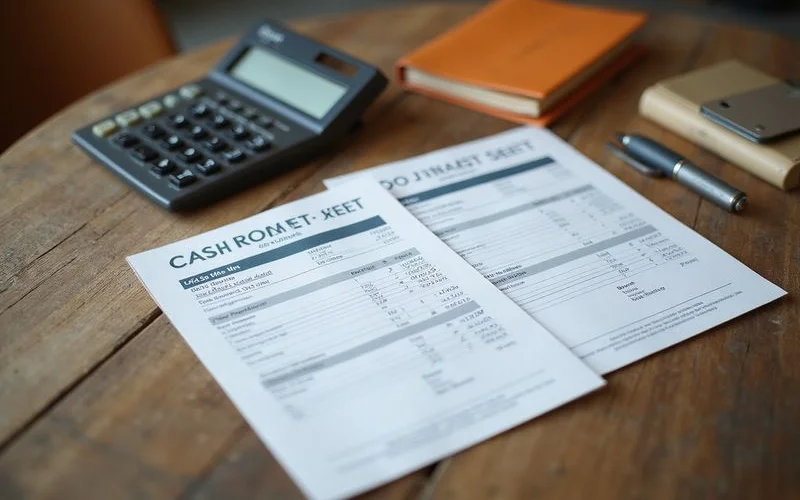
Even then, run the numbers. The cash vs. list net sheet shows how repairs, commission and holding time change the gap, or plug in your own house on the free calculator.
How to tell which one is you
Ask yourself four questions:
- How much time do I have? Under 30 days points toward cash. 60 days or more opens up listing.
- What would a buyer’s inspector find? Minor items point toward listing. Structural, roof, electrical or water problems point toward cash or listing to investors.
- Is the problem temporary? If yes, and you can qualify, look hard at keeping the house.
- What’s my rate and equity? Low rate and low equity points toward a creative structure.
Then ask Ryan to put all four paths in writing. He’ll tell you which one wins, even if that means we send you to a lender instead.