 By
By 
What does “as-is” really mean in Minnesota?
“As-is” means you won’t fix anything. It doesn’t mean you can stay quiet about problems you know about. Minnesota’s seller disclosure law, Minn. Stat. 513.52 to 513.60, still applies to most residential sales, including sales to cash buyers. When you sell to a cash buyer like us, the purchase agreement will say as-is, and we’ll still ask you what you know.
The good news: disclosing a problem to us doesn’t kill the deal. We price repairs into the offer. Telling us about the water in the basement just makes the number more accurate.
What the law requires
The core rule: before signing a purchase agreement, the seller must disclose material facts they know about that could significantly affect a buyer’s use or enjoyment of the property. That includes facts that affect an intended use the buyer has told you about.
In practice, most sellers use the standard Minnesota seller’s disclosure form, which walks through the roof, foundation, basement water, plumbing, electrical, heating, pests, environmental issues and more.
The alternatives to the standard disclosure
Minnesota’s law offers alternatives to the standard disclosure in certain cases:
| Option | How it works | What to watch for |
|---|---|---|
| Standard disclosure | Seller fills out the disclosure statement | Answer from what you actually know |
| Qualified third-party inspection | A written report from a qualified inspector can satisfy the duty for the items it covers | It has to meet the statute’s requirements |
| Written waiver | Buyer and seller agree in writing to waive the general disclosure | Other separate disclosures may still be required |
Exemptions also exist for certain transfers, such as some estate and court-ordered sales. If you’re a personal representative selling a parent’s house you never lived in, ask how the rules apply to you.
Disclosures that live outside the main form
These are separate Minnesota requirements, and “as-is” doesn’t make them go away:
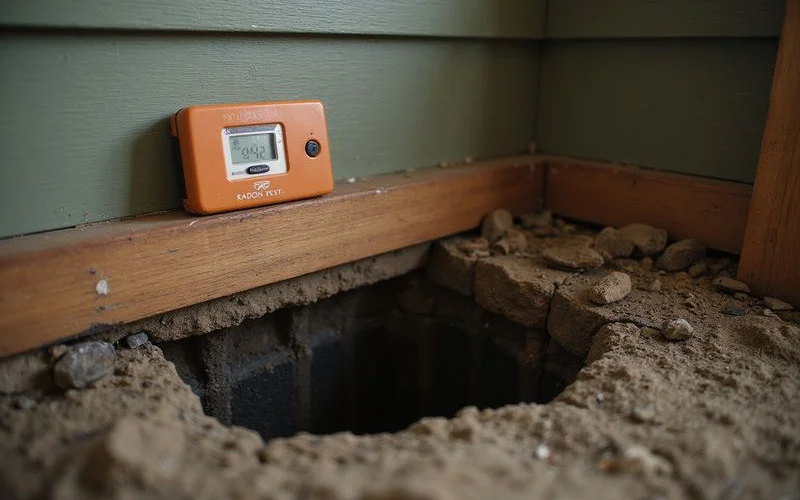
- Radon. Minnesota requires sellers to share known radon test results and give buyers a radon warning statement.
- Wells. A well disclosure is required when there’s a well on the property, and the well certificate goes with the deed.
- Septic (individual sewage treatment systems). A septic disclosure is required, and some counties require a compliance inspection at sale.
- Methamphetamine production. Known meth lab history must be disclosed.
- Point-of-sale evaluations. Minneapolis Truth in Sale of Housing and St. Paul’s evaluation are city rules, not the state form, but they run on the same timeline.
A plain rule of thumb
If you’d want to know it before buying the house, and you know it, say it. Then let the price reflect it.
What an as-is clause does cover
An as-is clause means the buyer is taking the house in its current condition. You won’t make repairs, give repair credits or reopen the price over things you disclosed or that the buyer could see. It helps protect you from post-closing arguments about condition. It does not protect you if you hid something you knew about. Minnesota law gives buyers a claim against sellers who fail to disclose known material facts.
How we handle disclosure on cash purchases
On our as-is cash purchases, Ryan asks you what you know during the walkthrough and you complete the disclosure paperwork with his help. Jordan inspects for himself, too. Anything either of you finds goes into the repair estimate, and the repair estimate goes into the offer, line by line.
That’s why disclosure isn’t scary with us. Tell us about the foundation crack, the ice dams, the old fuel tank. We’ve priced worse. If a major issue like foundation problems has scared retail buyers off, a cash sale may be your cleanest option. If you’re listing instead, Ryan walks you through the form line by line so you disclose what you must and don’t guess at what you don’t know.
This guide is general information, not legal advice. If your situation is unusual, such as a lawsuit or an estate with no one who knew the house, talk to a real estate attorney.