 By
By 
Why is an empty house in January a problem?
A vacant house in a Minnesota winter isn’t an asset waiting for spring. It’s a liability sitting in the cold. Pipes freeze, ice dams form, insurance coverage can shrink, and the bills keep coming. If you own an empty house, inherited or not, it pays to decide what you’re doing before the first hard freeze. Here’s what can go wrong and how each of our four paths handles it.
Frozen and burst pipes
A pipe doesn’t have to be outside to freeze. Supply lines along exterior walls, in crawl spaces and near a basement rim joist freeze when the heat is set too low or the furnace quits. When the ice thaws, the burst line can run for days before anyone notices. One burst pipe in an empty house can soak drywall, floors and the basement, then grow mold.
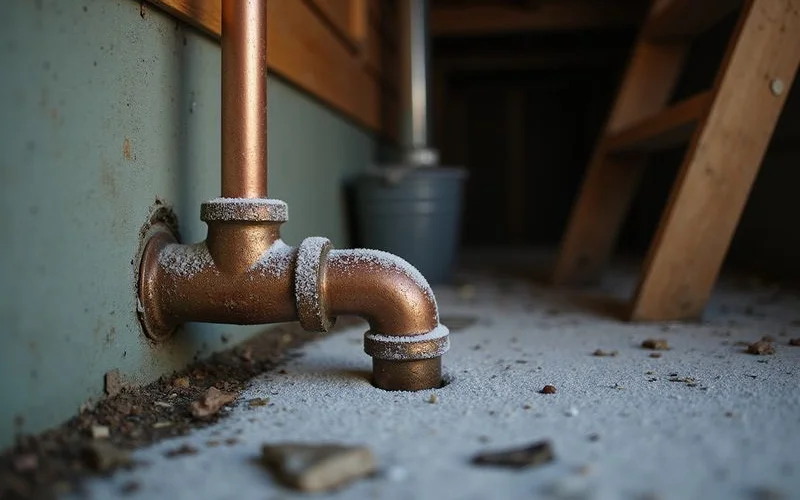
The most common cause in vacant houses: a furnace that shuts off from a failed igniter or a missed gas bill, with no one there to notice.
Ice dams
Heat escaping into the attic melts snow on the roof. The water runs down to the cold eaves and refreezes, building a dam. Meltwater backs up under the shingles and into the ceiling and walls. Nobody sees the stain until spring.
Insurance vacancy clauses
Most homeowner’s policies are written for occupied homes. Many include a vacancy clause that limits or excludes coverage for certain losses, such as freezing, water damage, vandalism or glass breakage, once the house has been vacant for a set period, often 30 to 60 days. The definitions vary by policy. Read yours, and call your agent about a vacant-dwelling policy if the house will sit.
Check this today
Find the word “vacant” or “unoccupied” in your homeowner’s policy. If the house has been empty longer than the clause allows, a burst pipe claim may be denied.
Heating and holding costs
Keeping an empty house safe through a Minnesota winter isn’t cheap. Expect to keep paying:
| Cost | Why it continues |
|---|---|
| Natural gas or electric heat | Heat must stay on to protect the pipes |
| Property taxes and insurance | Due whether anyone lives there or not |
| Mortgage, if any | Interest keeps accruing |
| Snow removal | Many cities require walks to be cleared |
| Checks on the house | Someone has to look inside every week or two |
City vacant building rules
Minneapolis and St. Paul both have vacant building programs that can require registration, annual fees and inspections for houses that sit empty, especially if they have code issues. Fees can run into the thousands per year. Suburbs vary.
Your options, by path
Winterize and list in spring. Shut off and drain the water, put antifreeze in traps and toilets, keep low heat on, and have someone check weekly. Then list with Ryan in April or May when buyer traffic picks up. This can net the most if the house is in good shape, but you carry the winter costs and risks.
Sell as-is now. We can buy the house as-is and close in 7 to 14 days, before the worst of the cold. You skip the winterizing, the heating bills and the insurance gamble. The trade-off is a price below market value.
Creative terms. If there’s a mortgage with a good rate and little equity, a subject-to structure can take over the payments now.
Keep it. If you plan to move in or rent it, winterize properly and get the right insurance.
If you inherited the house and live out of state
This is the most common version we see: a parent’s house, a family that lives elsewhere, and probate not finished. You can still protect it and sell it remotely. Read selling an inherited house from out of state, and call Ryan before the first cold snap if you want a number on the table.