 By
By 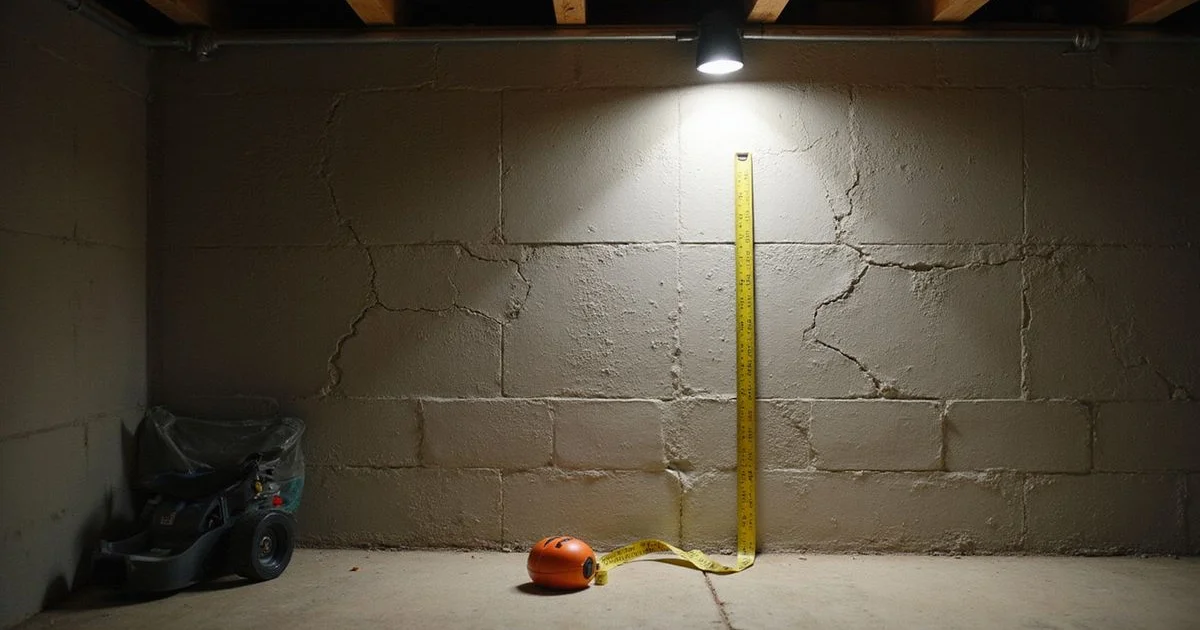
Can you sell a house with foundation problems?
Yes. It changes who can buy it and at what price, but it doesn’t make the house unsellable. In the Twin Cities, foundation problems are common: decades of deep frost, spring thaws and wet clay soils push on basement walls, especially in houses built before the 1960s. If a foundation issue has already scared off a buyer, you have options, including selling as-is with major repairs.
Common foundation problems here
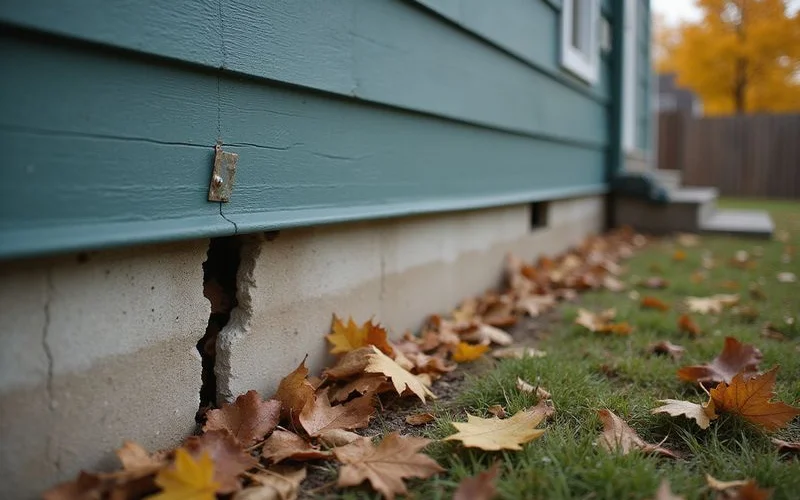
- Bowing block walls. Horizontal cracks and inward lean on concrete block walls from soil pressure and frost.
- Settlement cracks. Stair-step or vertical cracks from uneven settling.
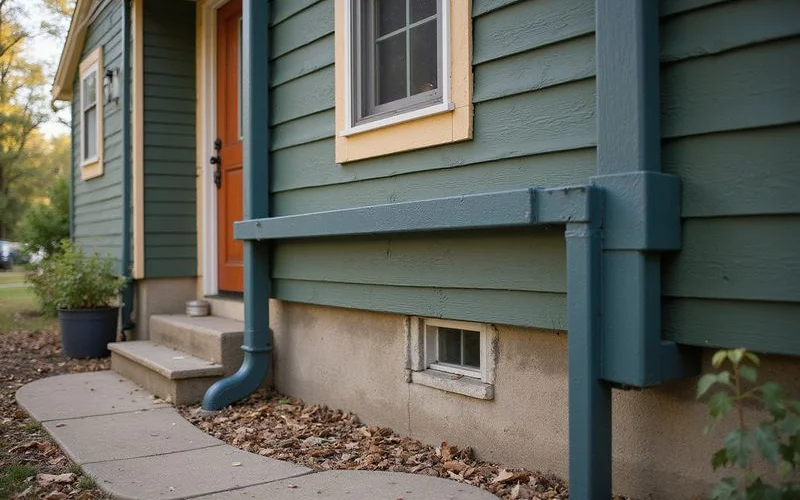
- Water intrusion. Leaks through cracks, failed drain tile, poor grading.
- Crumbling mortar or stone in very old foundations.
- Sagging floors from failing beams or posts.
Why buyers and lenders balk
Most retail buyers use a mortgage. The lender orders an appraisal, and FHA and VA loans have condition requirements. A structural problem can lead to required repairs before closing, or a flat no. Conventional lenders may also want an engineer’s report. Even cash-rich retail buyers get nervous after an inspection report says “structural.”
Repair costs vs. price impact
| Repair | Rough cost range | Notes |
|---|---|---|
| Crack sealing | Hundreds to a few thousand dollars | Cosmetic or minor |
| Wall anchors or steel braces | Several thousand dollars | Common for bowing walls |
| Drain tile and sump | Several thousand to $15,000+ | Depends on linear feet |
| Excavate and rebuild a wall | $20,000 to $50,000+ | Major, time-consuming |
| Beam and post replacement | A few thousand dollars and up | Depends on span and access |
These are broad ranges. Get real bids, or let Jordan estimate your actual house. The price impact of an unrepaired foundation is often more than the repair cost, because buyers discount for uncertainty.
Your options
- Repair, then list. Get an engineer’s report and bids, do the work with permits, keep the paperwork, and list with Ryan. Often the highest net if you have time and money for the repair.
- List as-is with disclosure. Price it to attract cash buyers and investors. Expect a smaller pool.
- Offer a credit. Negotiate a repair credit with a buyer whose lender allows it.
- Sell to us for cash. Jordan prices the repair, and we buy as-is in 7 to 14 days.
Disclosure is required
If you know about foundation problems, you must disclose them. “As-is” doesn’t waive that. See the Minnesota seller disclosure guide. Disclosing up front also keeps a deal from falling apart after the buyer’s inspection.
What to gather before you decide
Foundation decisions go better with facts than with worry. Before you choose a path, collect:
- Photos and measurements of cracks and any bowing, with dates, so you can tell if it’s moving.
- An engineer’s letter if you’re thinking about repairing and listing. Buyers and lenders trust it more than a contractor’s sales pitch.
- Two or three repair bids with the scope of work spelled out.
- Any past repair paperwork, including permits and warranties. Transferable warranties add value.
- Water history. When the basement gets wet, how much, and what’s been tried.
| If the engineer says | What it usually means for a sale |
|---|---|
| Cosmetic cracks, no movement | Disclose, maybe seal, list normally |
| Minor movement, anchors recommended | Repair can pay back; get bids |
| Significant bowing or failure | Many financed buyers can’t close until repaired |
| Rebuild recommended | As-is sale often makes more sense |
Making the decision
Ryan will put three numbers side by side: repair and list, list as-is, and our cash offer with Jordan’s repair estimate shown. If fixing the foundation and listing wins, he’ll tell you and can help line up bids. If it doesn’t, you’ll see exactly why.