 By
By 
Rebuild or sell?
After a fire or a flood, the house you knew is gone for a while, and you’re suddenly managing an insurance adjuster, a mortgage company, contractors and a place to live. One of the first real decisions is whether to rebuild with the insurance money or sell the house as-is. This guide compares them. For more on selling damaged houses, see damaged house options.
This is general information. Your policy and your lender’s rules control the details.
First: stop the damage
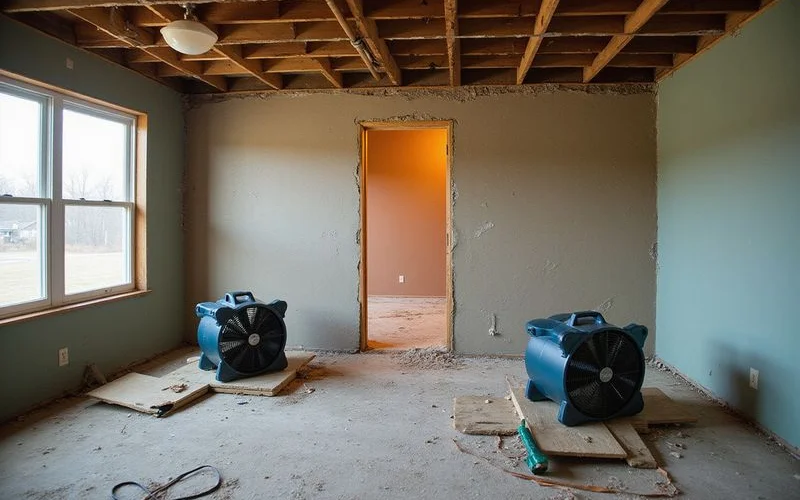
Whatever you decide, do emergency mitigation now: dry out water, board openings, tarp the roof, and keep the heat on in winter. Insurers generally expect you to prevent further damage. Keep receipts.
How claim money usually flows
- Your insurer pays for covered damage under your policy terms, often in stages: actual cash value first, then recoverable depreciation after repairs are done.
- Your lender is usually named on claim checks under the mortgagee clause and may release funds in draws as work is completed.
- Loss-of-use coverage may pay for a rental while you’re displaced, up to your policy’s limits.
That staged process is why rebuilding often takes longer than people expect.

Side by side
| Rebuild with insurance, then keep or list | Sell as-is | |
|---|---|---|
| Timeline | Months, often longer | 7 to 14 days for a cash sale |
| Your work | Contractors, adjuster, lender draws, permits | One walkthrough, one closing |
| Money | Claim proceeds plus a repaired house | Sale price, plus claim rights handled per the contract |
| Risk | Cost overruns, underinsurance, contractor problems | Price below market value |
| Mold | Must be remediated properly | Buyer’s problem |
| Best when | Good coverage, time, and you want to stay or maximize sale value | Underinsured, overwhelmed, or ready to move on |
Selling with an open claim
You can often sell before the claim settles. The purchase agreement should say:
- Who keeps claim payments already received
- Who keeps future claim payments, including depreciation holdbacks
- Who handles the adjuster from here
- How the lender’s interest is handled at closing
Tell your insurer and lender you’re selling. Some sellers keep the claim proceeds and sell for a lower as-is price. Others assign claim rights to the buyer for a higher price. Ryan will lay out both.
Mold and water
Water damage that isn’t dried quickly turns into mold. Mold remediation adds cost and time, and retail buyers and lenders treat active mold seriously. An as-is cash buyer prices it in.
Fire-specific issues
Smoke odor, soot in ductwork and structural damage to framing often go further than they look. Some fires lead to condemnation until repairs are made. City requirements may apply before anyone can live there again.
Making the call
Ryan will look at the damage with Jordan, review your policy limits and claim status, and put three numbers in writing: rebuild and keep, rebuild and list, and sell as-is. If you’re leaning toward selling, see how we buy as-is for cash.