 By
By 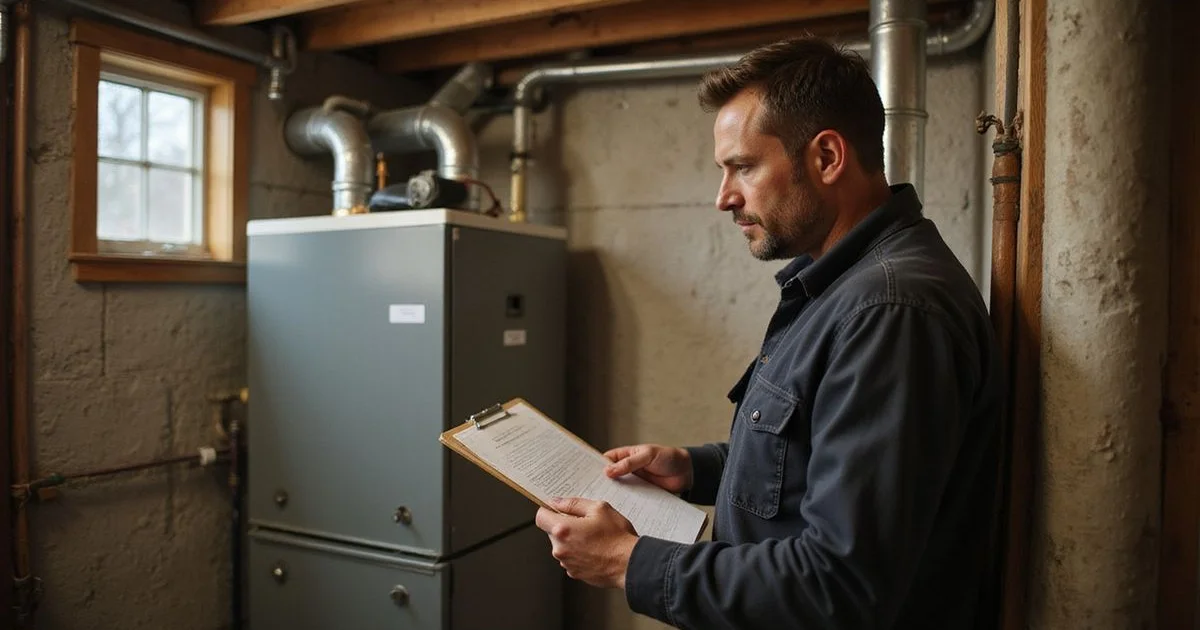
What is Truth in Sale of Housing?
Minneapolis and St. Paul both require a point-of-sale housing evaluation for most residential sales. It’s called Truth in Sale of Housing (TISH). A licensed evaluator inspects the house and writes a report that buyers must be able to see. Some items get flagged as required repairs. If you’re selling an older house that needs repairs, knowing how these reports work can save you time and money.
This is general information. City rules change; check the current requirements for your property.
Minneapolis TISH
- When: before the home is listed or marketed for sale, for most one- to four-unit homes.
- Who: a city-licensed TISH evaluator.
- What: a report covering structure, heating, plumbing, electrical and more, with items rated and some marked as required repairs. Minneapolis evaluations also include energy information.
- Display: the report must be available to prospective buyers.
St. Paul Truth-in-Sale of Housing
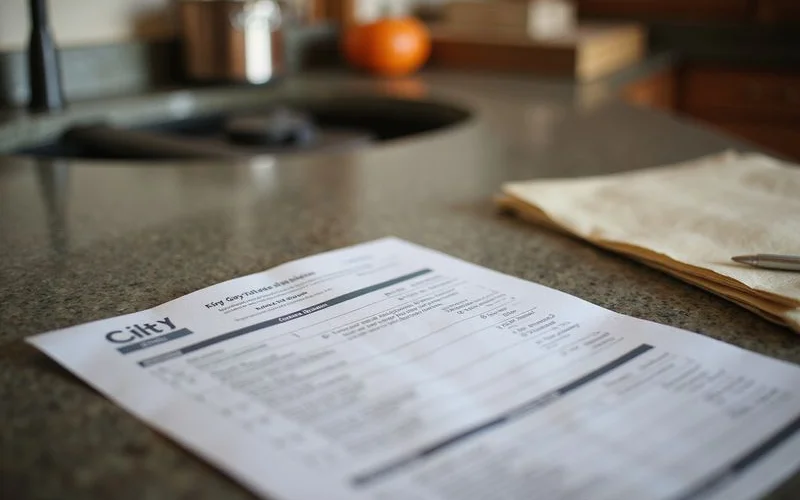
St. Paul has its own program with similar goals: a licensed evaluator inspects before the sale, and the report must be available to buyers. The details, forms and follow-up differ from Minneapolis, so don’t assume the rules are the same.
Required repairs
The biggest question sellers have: “Do I have to fix everything on the report?” Generally:
| Item type | What it means |
|---|---|
| Informational ratings | Condition notes for buyers; no repair required |
| Required repairs (hazards) | Must be addressed, either by the seller before sale or by the buyer under the city’s process |
| Repair verification | The city or evaluator confirms repairs were made |
Many sales handle required repairs by having the buyer take them on, sometimes with money held in escrow at closing. Check the current process with the city.
Condemned and vacant buildings
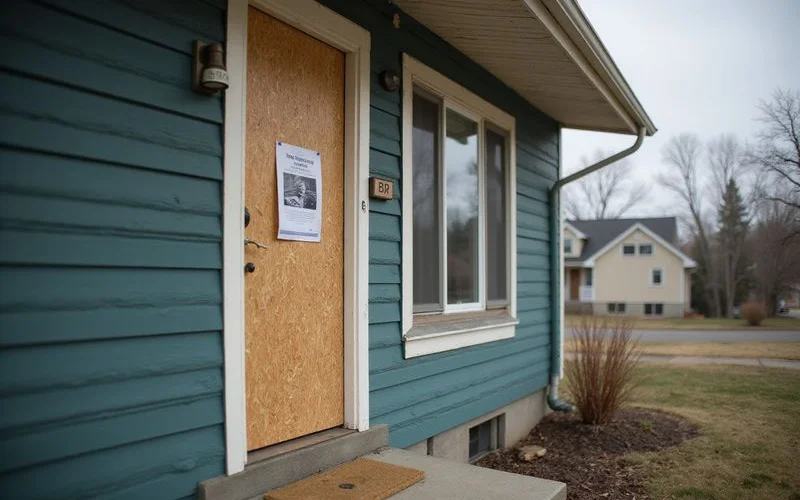
If a house has been condemned, or has sat vacant with problems, both cities have vacant building programs with registration, fees and requirements before it can be occupied again. These properties are hard to sell to financed buyers.
Other suburbs
Several Twin Cities suburbs have their own point-of-sale inspections or certificates. Ryan checks your city at the walkthrough.
What evaluators commonly flag in older Twin Cities houses
Every house is different, but the same items show up on a lot of point-of-sale reports for 1900s to 1950s homes:
- Electrical: ungrounded outlets in wet areas, open junction boxes, overfused circuits, old panels
- Heating: boiler or furnace venting problems, missing or damaged flue parts, gas line issues
- Plumbing: missing backflow protection, improper drain connections, water heater relief valve discharge
- Structure and safety: missing handrails or guardrails, damaged stairs, smoke and carbon monoxide detectors
- Exterior: deteriorated steps, roof or gutter issues, window glazing
| Common item | Typically required? | Typical fix |
|---|---|---|
| Missing smoke or CO detectors | Often | Install; low cost |
| Water heater relief valve discharge | Often | Add proper discharge pipe |
| Handrails and guardrails | Often | Carpentry repair |
| Flue or venting defects | Often | HVAC contractor |
| Worn carpet or dated kitchen | No | Informational only |
Ratings and required items vary by city and by the evaluator’s findings, so read your own report closely. Small required items are often cheap to fix before listing. A long list of big items points toward an as-is sale.
Should you fix the items or sell as-is?
| If you list | If you sell to us for cash |
|---|---|
| Order the evaluation early | We can buy with the report as it is |
| Fix required items or let a buyer assume them | We take on required repairs as the buyer |
| Price reflects remaining items | Jordan prices them into the offer |
| Financed buyers may need items done before closing | No lender conditions |
If you’re listing, the evaluation is one of the first steps in getting ready to list. If the report is long, the house has a code order, or it’s been condemned, a cash sale is often cleaner. Ryan will show you both numbers.