 By
By 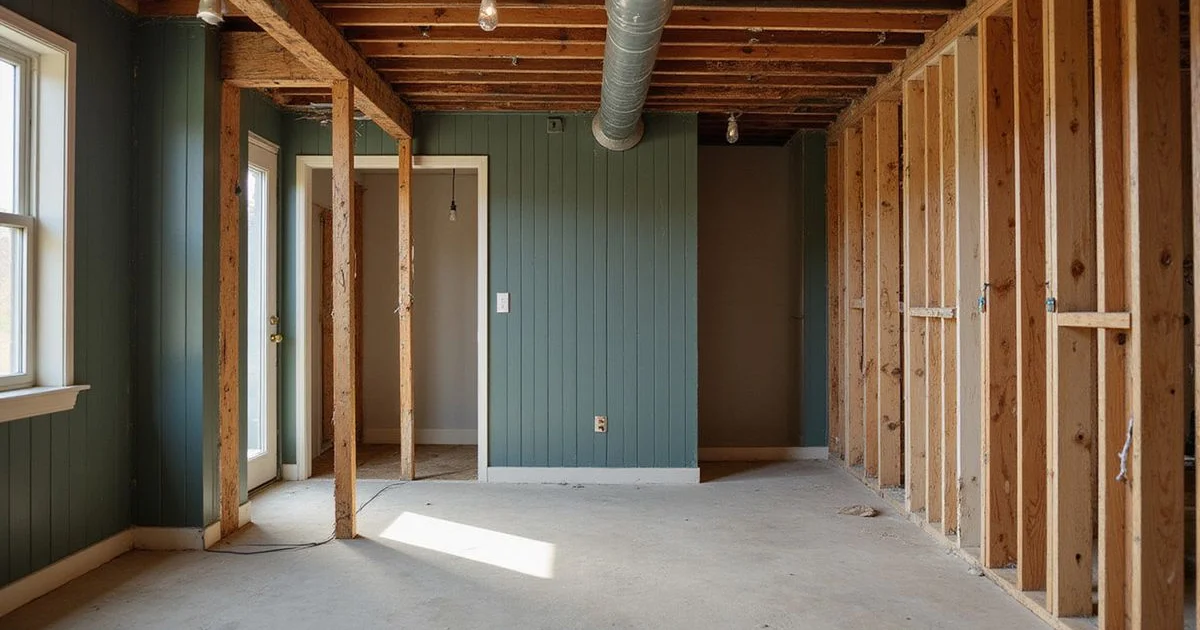
What is a mechanic’s lien?
A mechanic’s lien is a claim a contractor, subcontractor or supplier can place on your property when they say they weren’t paid for work or materials. In Minnesota, the rules are in Minn. Stat. ch. 514. The lien attaches to the house, so it shows up on the title search when you sell. Unfinished remodels and contractor disputes are a common reason people call us, and it’s one of the liens or title issues we clear at closing.
This is general information, not legal advice.
The Minnesota basics
- Pre-lien notice. On most residential projects, the contractor must give the owner a pre-lien notice early in the job. Missing it can defeat the lien.
- Filing deadline. Generally 120 days after the last work or materials.
- Enforcement deadline. The claimant generally has to sue to enforce within a set time, often one year from the last work.
- Subcontractors and suppliers can file even if you paid the general contractor, which surprises a lot of owners.
Your options when selling
| Situation | Typical approach |
|---|---|
| You owe it and agree | Pay from proceeds at closing; get a release recorded |
| You owe some of it | Negotiate a payoff; get a release |
| You dispute it | Escrow funds at closing; resolve later |
| It may be invalid (late, no pre-lien notice) | Attorney challenges it; title company may require a court step or bond |
| Enforcement deadline passed | Get it cleared from the record |
Escrow at closing
If the amount is disputed, the title company can hold enough of the sale proceeds in escrow to cover the claim, often plus a cushion, and insure over the lien. You close on time, and the dispute gets resolved separately. When it’s settled, the escrow pays what’s owed and releases the rest to you.
Lien waivers
When you do pay a contractor, get lien waivers from them and from their major subcontractors and suppliers. A waiver is proof they gave up lien rights for that payment. If you’re selling during or after a project, the title company will want to see them.
The unfinished remodel
A common story: a basement or kitchen remodel stalls halfway, the contractor walks off, there’s a dispute over money, and a lien shows up. Now you have a house with open walls and a lien. You can hire someone new to finish it and fight the lien, or sell as-is. We buy those houses, price the unfinished work, and deal with the lien at closing.
If you’re the owner who paid and still got a lien
This is the most frustrating version: you paid your general contractor in full, and then a subcontractor or supplier files a lien because the contractor didn’t pay them. In Minnesota, that can happen. A few things to know:
- Check the pre-lien notice. On most residential jobs, the contractor was supposed to give you a written notice early in the project explaining lien rights. If it wasn’t given, some liens may not be enforceable.
- Gather proof of payment. Canceled checks, bank records and signed invoices.
- Ask for lien waivers now. From the contractor and each sub or supplier who was paid.
- Talk to an attorney about whether the lien is valid and how to challenge it. Deadlines matter on both sides.
| Your situation | Likely next step |
|---|---|
| Paid in full, have waivers | Provide waivers; request the lien be released |
| Paid in full, no waivers, sub filed | Attorney review; possible escrow at closing |
| Didn’t pay, work was incomplete | Negotiate a payoff that reflects the work done |
| Lien filed late or without notice | Attorney challenges it |
None of this has to stop a sale. Escrow at closing lets you sell while the dispute gets sorted out.
Part of curative title work
Mechanic’s liens are one of the defects cleared through curative title work. Send Ryan the lien notice, your contract and any invoices. He’ll tell you what the lien likely means for your net, and whether it looks like something to pay, negotiate or challenge.