 By
By 
How much time do you have?
That’s the first question everyone asks, and the honest answer is: more than you think, less than you’d like, and it depends on where you are in the process. This guide walks through each stage of a typical Minnesota home foreclosure and which options are still open at each one. If a notice has already arrived, start with our options if you’re facing foreclosure too.
This is general information, not legal advice. Your notices control your actual dates.
Stage 1: Missed payments (months 1 to 3)
After a missed payment, you’ll get late notices and calls from your servicer. After several missed payments, the servicer sends a notice of default and, under Minnesota law, notices about foreclosure prevention counseling. Federal servicing rules generally keep a servicer from starting foreclosure until a loan is more than 120 days delinquent.
Options open: all of them. Reinstatement, a repayment plan, a loan modification, forbearance, a refinance if you qualify, listing, a creative structure or a cash sale. This is the best time to call a free HUD-approved counselor through the Minnesota Homeownership Center, and to call Ryan.
Stage 2: Notice of mortgage foreclosure sale
Most Minnesota home foreclosures are “by advertisement” under Minn. Stat. ch. 580, which means no lawsuit. The lender’s attorney publishes a notice of sale in a legal newspaper once a week for six weeks, and the notice is served on the occupants of the house at least four weeks before the sale. The notice lists the sale date, time and place.

Options open: reinstatement (pay arrears plus fees), a loan modification if the servicer agrees to pause, a fast listing if there’s enough time and equity, a creative structure, or a cash sale that closes before the sale date. Some homeowners can postpone the sale in exchange for a shorter redemption period under Minnesota law. Ask a counselor or attorney whether that applies to you.
Stage 3: The sheriff’s sale
The county sheriff’s office holds a public auction. In Hennepin County, that’s the Hennepin County Sheriff’s Office civil unit. Usually the lender is the winning bidder, bidding up to what it’s owed. The winner gets a sheriff’s certificate of sale, which is recorded.
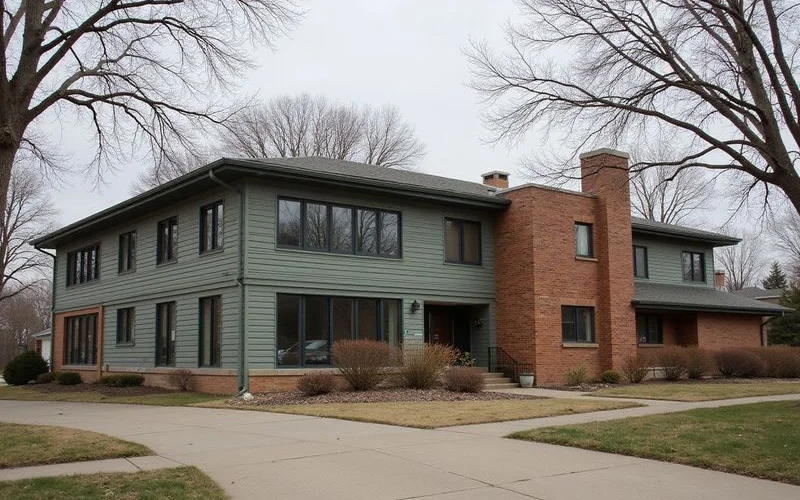
Options open: the sale is not the end. You still own the house during the redemption period.
Stage 4: The redemption period
Under Minn. Stat. 580.23, most homeowners get a redemption period after the sheriff’s sale, usually six months. Some cases get longer, and a house found to be abandoned can have a much shorter period. You can generally keep living in the house during redemption. To redeem, you pay the amount bid at the sale plus interest and certain costs. Or you can sell, and the sale pays off the redemption amount at closing.
Options open: redeem, sell (cash is usually the only path fast enough late in the period), or in some cases negotiate with the certificate holder. See selling during the redemption period.
Stage 5: End of redemption
If you haven’t redeemed or sold by the last day, the certificate holder becomes the owner. Any equity you had is gone, and eviction can follow.
The timeline at a glance
| Stage | Typical timing | Paths still open |
|---|---|---|
| Missed payments | Months 1 to 4 | All four |
| Notice of sale published | Sale at least 6 weeks later | Reinstate, modify, sell, creative |
| Sheriff’s sale | The date in your notice | Redemption rights begin |
| Redemption period | Usually 6 months | Redeem or sell |
| After redemption | Day after the deadline | None; title passes |
What to do at each stage
- Open the mail. Find the sale date and read the notices.
- Get a written reinstatement figure from your servicer.
- Call the Minnesota Homeownership Center for a free counselor.
- Watch for scams. Anyone asking for an upfront fee to “save” your house is a red flag.
- Get a written comparison of all four paths from Ryan, mapped to your dates.
The earlier you start, the more of the table above stays open.