 By
By 
What does foreclosure actually cost you?
If you have equity in your house, foreclosure is expensive. Not just in credit damage, but in dollars. Every month the process runs, interest and fees get added to what you owe. And if the redemption period ends without a sale or redemption, the equity you built can disappear entirely. This guide puts numbers on it. For all your options, see stop foreclosure options.
This is general information, not legal advice. Your lender’s figures will differ.
What gets added to the debt
| Cost | What it is |
|---|---|
| Missed payments | Principal and interest you didn’t pay |
| Ongoing interest | Keeps accruing every day |
| Late charges | Per your loan terms |
| Attorney fees | For the foreclosure by advertisement |
| Publication costs | Six weeks of legal notices |
| Sheriff’s fees | For the sale and certificate |
| Taxes and insurance advanced | If the lender pays them to protect the property |
| Interest during redemption | On the amount bid at the sale |
None of these are optional once the process starts. They’re why the redemption figure is always higher than the balance you remember.
A worked example: sell now vs. let it run
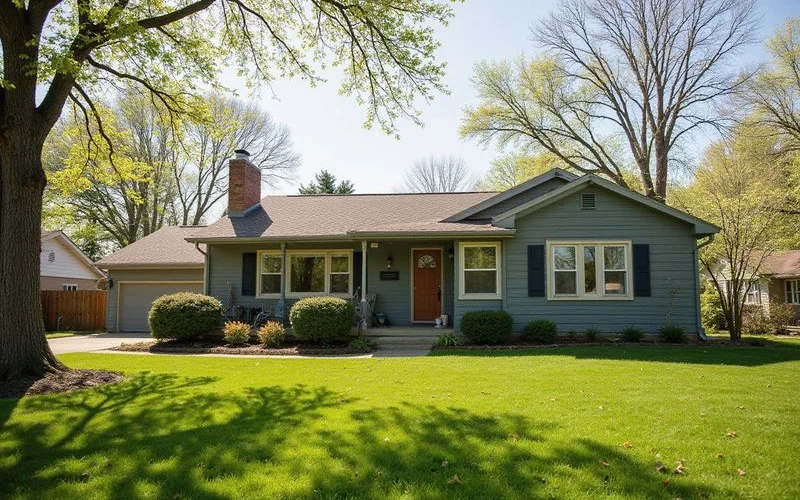
A rambler in Coon Rapids. Market value about $310,000 in its current condition. Mortgage balance $180,000. The owner is four months behind.
Option A: Sell now (cash sale to us).
| Line | Amount |
|---|---|
| Cash price | $245,000 |
| Payoff including arrears and fees so far | -$189,000 |
| Commissions and closing costs | $0 |
| Net to owner | $56,000 |
Option A2: List with Ryan now (if there’s time).
| Line | Amount |
|---|---|
| Sale price | $310,000 |
| Payoff, growing while listed | -$194,000 |
| Commission, deed tax, closing costs, prep | -$27,000 |
| Net to owner | $89,000 |
Option B: Let the foreclosure run to the end of redemption.
| Line | Amount |
|---|---|
| Sheriff’s sale bid (debt plus costs) | $201,000 |
| Owner doesn’t redeem or sell | |
| Net to owner | $0 (equity lost) |

Listing wins if there’s enough time before the sale. A cash sale wins if time is short. Letting it run loses everything. That’s why we say: sell first, or at least during redemption.
What about a surplus at the sheriff’s sale?
If a third party bids more than what’s owed at the sheriff’s sale, there can be a surplus, and there’s a process to claim it. It rarely happens. Lenders usually bid the debt, not the market value, and outside bidders are cautious. Don’t count on a surplus to save your equity.
Timing is money
Look at the Minnesota foreclosure timeline again with this in mind:
- Before the notice of sale: all four paths are open, and costs are lowest.
- After the notice of sale: attorney and publication costs are already added.
- After the sheriff’s sale: interest runs on the bid amount, and you’re racing the redemption deadline.
Each stage costs more and closes off options.
If you’re underwater
If the house is worth less than what you owe, there’s no equity to protect, and the math changes. A short sale, a subject-to structure or a loan modification may make more sense. See short sale vs. cash sale vs. foreclosure.
What to do this week
Get your payoff and reinstatement figures in writing. Estimate your equity. Then ask Ryan for a written comparison of all four paths, including the ones where you keep the house.