 By
By 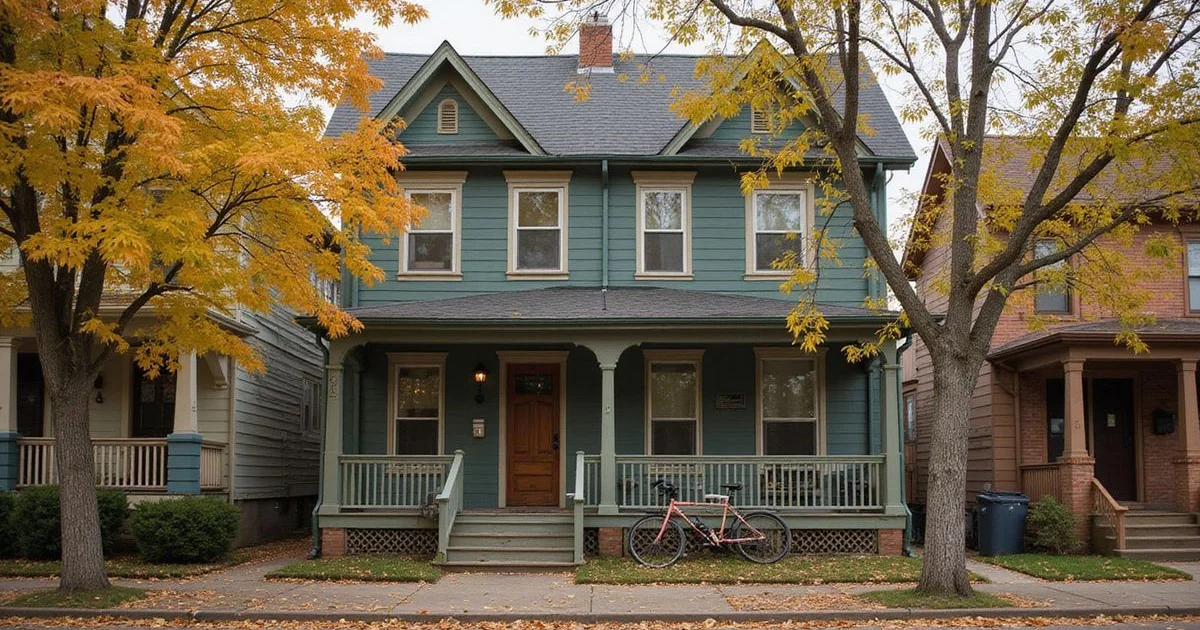
How does rent stabilization affect selling a St. Paul rental?
St. Paul voters approved rent stabilization in 2021. It caps most annual rent increases, and the city has amended it several times since, adding exemptions and rules around vacancies. For a landlord, it mostly matters at two moments: every lease renewal, and when you sell. Buyers value rentals on income, and a cap on income growth changes what some of them will pay. If you’re weighing whether to sell a rental property, here’s how to think about it.
This is general information. The ordinance and its rules change; check the current requirements with the City of St. Paul.
The basics
- Annual cap. Most rent increases are capped at a set percentage per year.
- Exemptions and exceptions. The city added exemptions, including for newer construction, and processes for exceptions tied to things like costs or a fair return.
- Vacancy rules. Amendments address increases between tenants, with conditions.
- Self-certification and requests. Some increases above the cap need a request or certification with the city.

Effect on buyers and price
| Your property | Likely effect on investor buyers |
|---|---|
| Rents already near market | Smaller effect; income is already there |
| Rents well below market, long-term tenants | Bigger effect; limited ability to raise rents |
| Qualifies for an exemption | Less effect; confirm and document it |
| Vacant at sale | More buyer options, subject to current vacancy rules |
| Owner-occupant buyer likely (duplex, single-family) | Less effect; they’re not buying on rent |
St. Paul DSI
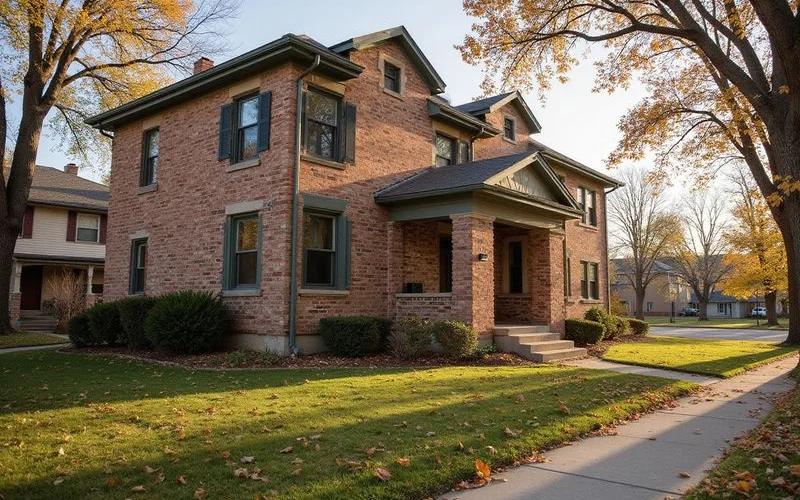
The Department of Safety and Inspections handles rental registration, inspections and code enforcement. Open orders, registration status and inspection history matter to buyers. Get your file in order before listing.
Tenant notice and entry
As with any Minnesota rental, leases survive the sale, deposits transfer to the buyer, and you must give proper notice before entering for showings. St. Paul also has its own Truth-in-Sale of Housing evaluation for many residential sales, and it may apply to your property.
How investors run the numbers on a St. Paul rental
Most buyers of occupied St. Paul rentals are investors, and they price on income. A simplified version of the math they do:
| Line | Example duplex |
|---|---|
| Current rents (both units) | $2,500 per month |
| Vacancy and credit loss allowance | -5% |
| Taxes, insurance, utilities paid by owner | -$750 per month |
| Maintenance and capital reserves | -$375 per month |
| Net operating income | About $1,250 per month |
If rents can rise to market over a few years, that income grows and so does what the investor will pay. If rent stabilization limits how fast rents can rise on your units, the investor has to price in slower growth. That’s why properties with long-term tenants paying well below market often see the biggest effect, and why a vacant unit or a documented exemption can matter.
What helps your price: current leases, a clean rent roll, a clear record of any rent increase approvals or exemptions, an up-to-date rental registration with DSI, and no open code orders. Pull those together before you talk to any buyer.
Your options
- Keep renting, raising rents within the rules, and hold.
- Sell occupied to an investor, priced on current rents.
- Sell vacant after leases end, to owner-occupants or investors.
- Sell to us as-is with tenants in place, including properties with deferred maintenance or DSI orders.
- Contract for deed to a buyer who pays you monthly.
If you’re not sure selling is right, run the numbers in sell or keep renting. Ryan will factor current rents, the ordinance and any exemption into a written comparison of each path.