Own an Empty Twin Cities House? What to Do Before the First Hard Freeze This Fall
Heading into winter 2026-27 with a vacant house in the Twin Cities? Frozen pipes, insurance vacancy clauses and your four options, before November.
 By Ryan Quade 6 min read
It’s late September, and the first hard freeze in the Twin Cities usually shows up sometime in October. If you own a house nobody is living in right now, this is the window to decide what happens to it this winter. An inherited house, a rental between tenants, a place you already moved out of: once the pipes freeze, your options get worse and more expensive. This post walks through what to do before November, and the four ways you can go from here. If the house already has damage, start with how we handle houses that need major repairs.
Why this fall matters more than you think
A vacant house doesn’t get the small daily attention an occupied one does. Nobody notices the furnace quit. Nobody hears the drip. Nobody sees the ice dam growing on the north side of the roof. In a Minnesota winter, a problem that would take an hour to fix in October can turn into $30,000 of water damage by February.
Three things make this season different from spring:
- Freeze risk. Supply lines along outside walls, in crawl spaces and near the rim joist freeze first, usually when the heat is set too low or the furnace fails.
- Insurance vacancy clauses. Many homeowner’s policies limit coverage for freezing, water damage or vandalism once a house has been vacant for 30 to 60 days. Read yours this week.
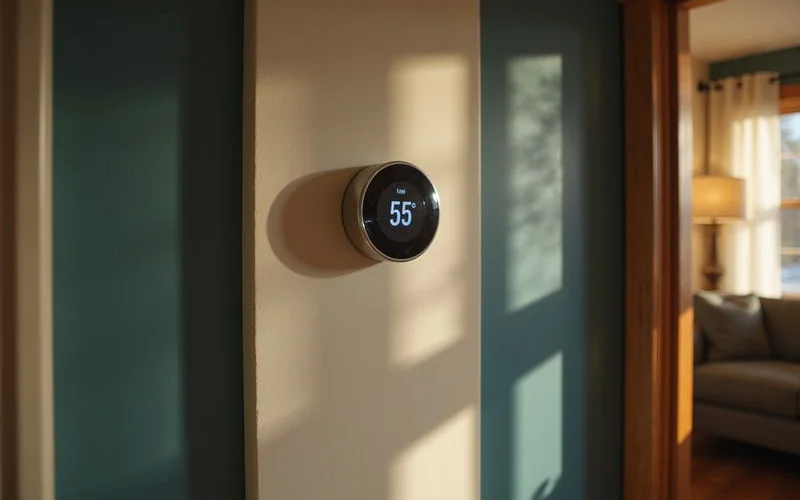
- Heating bills. An empty house still needs heat. Expect to pay to keep it around 55 degrees all winter.
Your pre-freeze checklist for October
If you’re keeping the house through winter, do these before the first hard freeze:
- Service the furnace and replace the filter. A failed igniter in an empty house is how most freeze-ups start.
- Set the heat to 55 degrees or the level your insurer requires. Don’t turn it off.
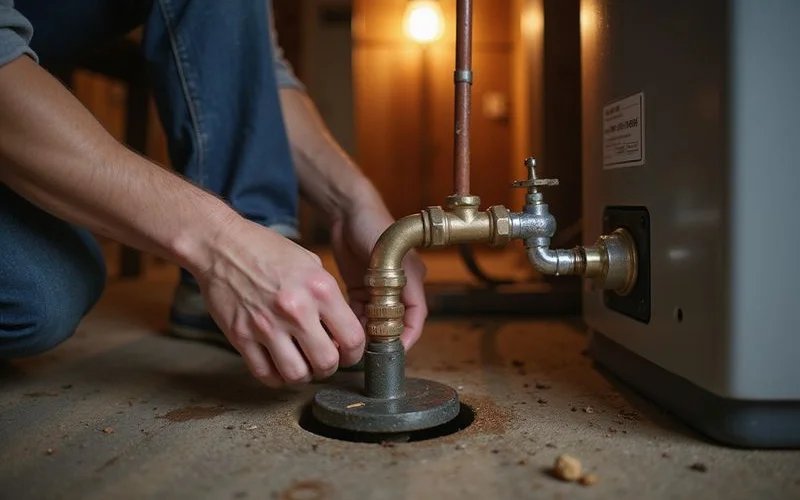
- Shut off the main water and drain the supply lines, especially on exterior walls.
- Drain the water heater or set it to vacation mode if you’re shutting water off.
- Put RV antifreeze in drain traps and toilets so they don’t crack.
- Disconnect garden hoses and drain the outdoor spigots.
- Clean gutters so meltwater has somewhere to go, which helps with ice dams.
- Line up snow removal. Many cities require walks to be cleared within a day or two after snow.
- Arrange a weekly check. A neighbor or a paid service who walks through and checks the thermostat and basement.
- Call your insurance agent about the vacancy clause and a vacant-dwelling policy.
The one thing people skip
A smart thermostat or a simple temperature alarm that texts you if the house drops below 45 degrees. It costs less than a service call, and it’s the difference between a $300 furnace fix and a flooded basement.
What an empty house costs from November to April
| Cost | Rough monthly range |
|---|---|
| Natural gas or electric heat at 55 degrees | $100 to $250 |
| Property taxes (monthly share) | $200 to $500 |
| Insurance, often higher for vacant homes | $100 to $250 |
| Snow removal and checks | $75 to $200 |
| Mortgage, if any | Varies |
Six months of that adds up to several thousand dollars before any damage. Keep that number in mind when you compare the paths below.
Your four options this fall
1. Winterize and list in spring. If the house is in good shape, this often nets the most. Do the checklist above, keep the heat on, and list with Ryan in April or May when buyer traffic picks up. The trade-off: you carry the winter costs and the freeze risk for six months.
2. List it this fall. October and November listings get fewer showings than spring, but also less competition from other sellers. If the house is ready and priced right, it can sell before the worst of winter. You still need to keep it heated and show-ready.
3. Sell as-is now. If you need to sell your house fast in Minneapolis or anywhere in the Twin Cities, we can buy the house as it is and close in 7 to 14 days, before the first hard freeze if you move quickly. No winterizing, no heating bills, no insurance gamble, no cleanout. The trade-off: the price is below market value. Ryan puts the number next to what listing would net so you can see the gap.
4. Keep it and move in or rent it. If that’s the plan, winterize properly, get the right insurance, and budget for the season.
If you inherited the house this year
This is the version we hear most often in the fall. A parent passed in the spring or summer, the family lives out of state, probate may not be finished, and nobody has decided what to do with the house. You don’t need to decide everything today. You do need to protect the house this month. Read what happens to an empty house in a Minnesota January and selling an inherited house from out of state. A personal representative with letters can usually sell before the estate closes.
If the pipes already froze
Then the house needs an as-is buyer or a repair plan, and fast, before mold starts. Shut off the water, call your insurer, and get it dried out. We buy water-damaged houses as-is, and Jordan prices the damage into the offer.
What to do this week
Walk the house or have someone walk it. Read the vacancy clause in your policy. Decide whether you’re keeping it through winter. If you want a number to compare before you spend money on winterizing, send Ryan the address or call 612-229-7926. He’ll put all four paths in writing within 24 hours of the walkthrough, including the ones where we make nothing.
Related
Major Repairs
Foundation, roof, water or fire damage, hoarder houses, code violations, mold, failed septic. We've bought worse, and you fix nothing.