 By
By 
Does the mortgage have to be paid off when you sell?
Almost always, yes, and it happens automatically at closing. You don’t pay it off yourself before the sale. The title company does it for you out of the sale price. Whichever of our four paths you choose, the mechanics of the payoff are the same. Here’s how it works, step by step.
Step 1: The payoff statement
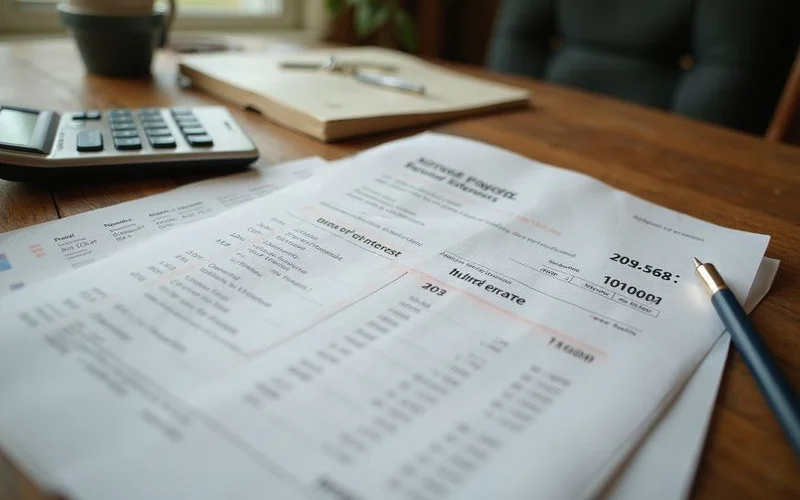
Once you’re under contract, the title company asks your lender for a payoff statement. It shows the exact amount needed to pay the loan in full on a specific date:
- The remaining principal balance
- Interest from your last payment to the payoff date (called per-diem interest)
- Any late fees, unpaid charges or prepayment penalties (rare on home loans today)
- Recording fees for the lien release
Payoff statements expire, usually within a few weeks, so the title company orders a fresh one close to closing.

Step 2: The settlement statement
The title company builds a settlement statement that shows every dollar: the sale price at the top, then your payoff, liens, taxes, closing costs and any credits. The bottom line is your net proceeds. On our cash purchases, you don’t pay commissions, deed tax or closing costs, so the main deductions are your payoff and any liens.
Step 3: Closing and the payoff wire
At closing, the title company wires the payoff amount to your lender. The lender applies it, marks the loan paid, and records a satisfaction of mortgage with the county. That clears the lien from your title. Anything left over is yours, by wire or check.
What about a second mortgage or HELOC?
Same process. Every lien gets its own payoff statement and is paid from proceeds, in order. A home equity line of credit also has to be frozen and closed, so stop drawing on it once you sign a purchase agreement. The title company asks the lender to close the line so no new draws can hit after closing.
What about your escrow account?
If your lender collects property taxes and insurance through escrow, the leftover balance is refunded to you after the loan is paid off. Property taxes are prorated on the settlement statement, so you pay your share up to the closing date. Cancel your homeowner’s insurance after closing, not before, and ask for a refund of any prepaid premium.
A quick example
| Line | Amount |
|---|---|
| Sale price (cash sale) | $240,000 |
| First mortgage payoff | -$142,300 |
| HELOC payoff | -$18,600 |
| Prorated property taxes | -$1,450 |
| Net to seller | $77,650 |
In a listing, commission and closing costs would come off too. See the offer to closing timeline for when each document shows up.
What if you owe more than the house is worth?
Then the sale price doesn’t cover the payoff, and the lender won’t release its lien for less without agreeing to it. Your options:
- Bring cash to closing to make up the difference.
- Short sale: the lender agrees to accept less than it’s owed. It takes lender approval and time, and may leave a deficiency.
- Subject-to: the loan stays in place and the buyer makes the payments. It carries real risks, including the lender’s due-on-sale clause.
- Loan modification if you want to keep the house.
The trade-offs are laid out in underwater on your mortgage.
What if you’re behind on payments?
The payoff will include the missed payments, late fees and, if a foreclosure has started, the lender’s foreclosure costs. That’s one more reason to sell early rather than late. In Minnesota you can sell right up to the sheriff’s sale and, in most cases, during the redemption period after it.